Fernando Vivanco

Services

Individuals, couples, relationships. In person in Uccle or online, in four languages.

Stress and burnout

Burnout is not a character flaw. It is what happens when the bond between a person and their organisation breaks down.

In person or online

A person feeling overwhelmed at home
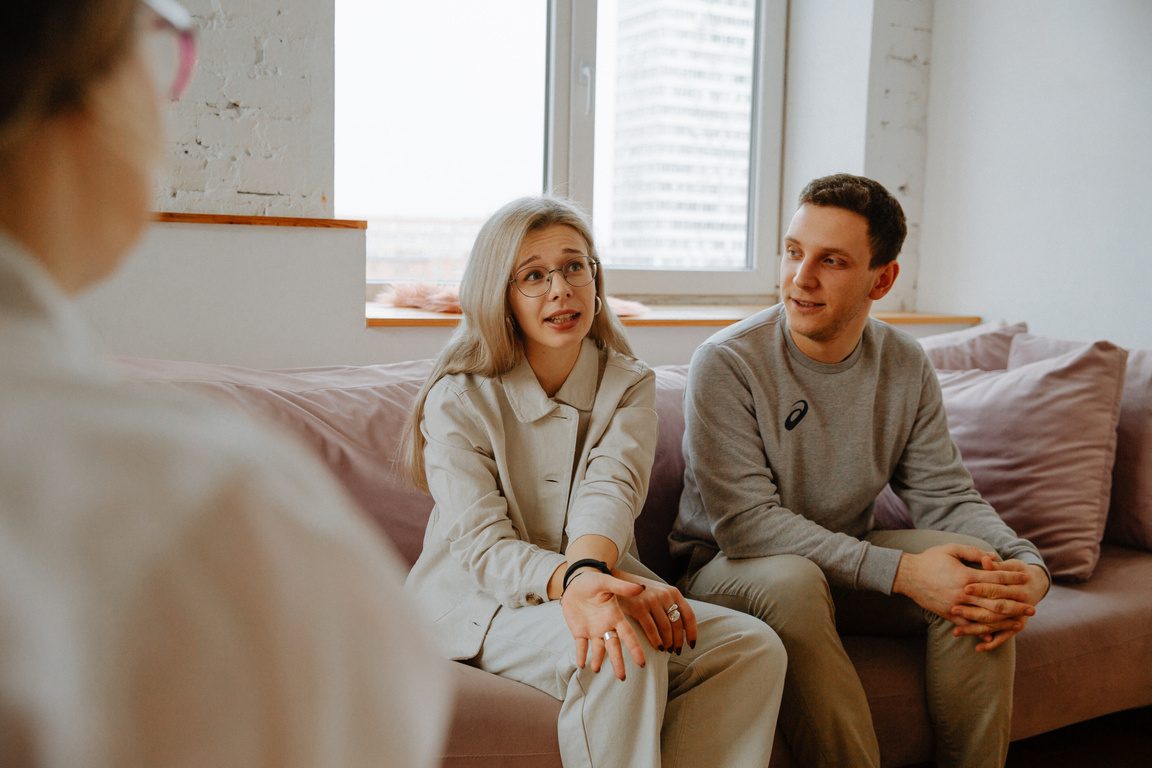
A couple in a therapy session

Couples therapy

Working on the relationship, not looking for who is right.

In person

Trauma

Trauma is not only what happened: it is what has not yet been fully processed. We go at your pace.

Through talking
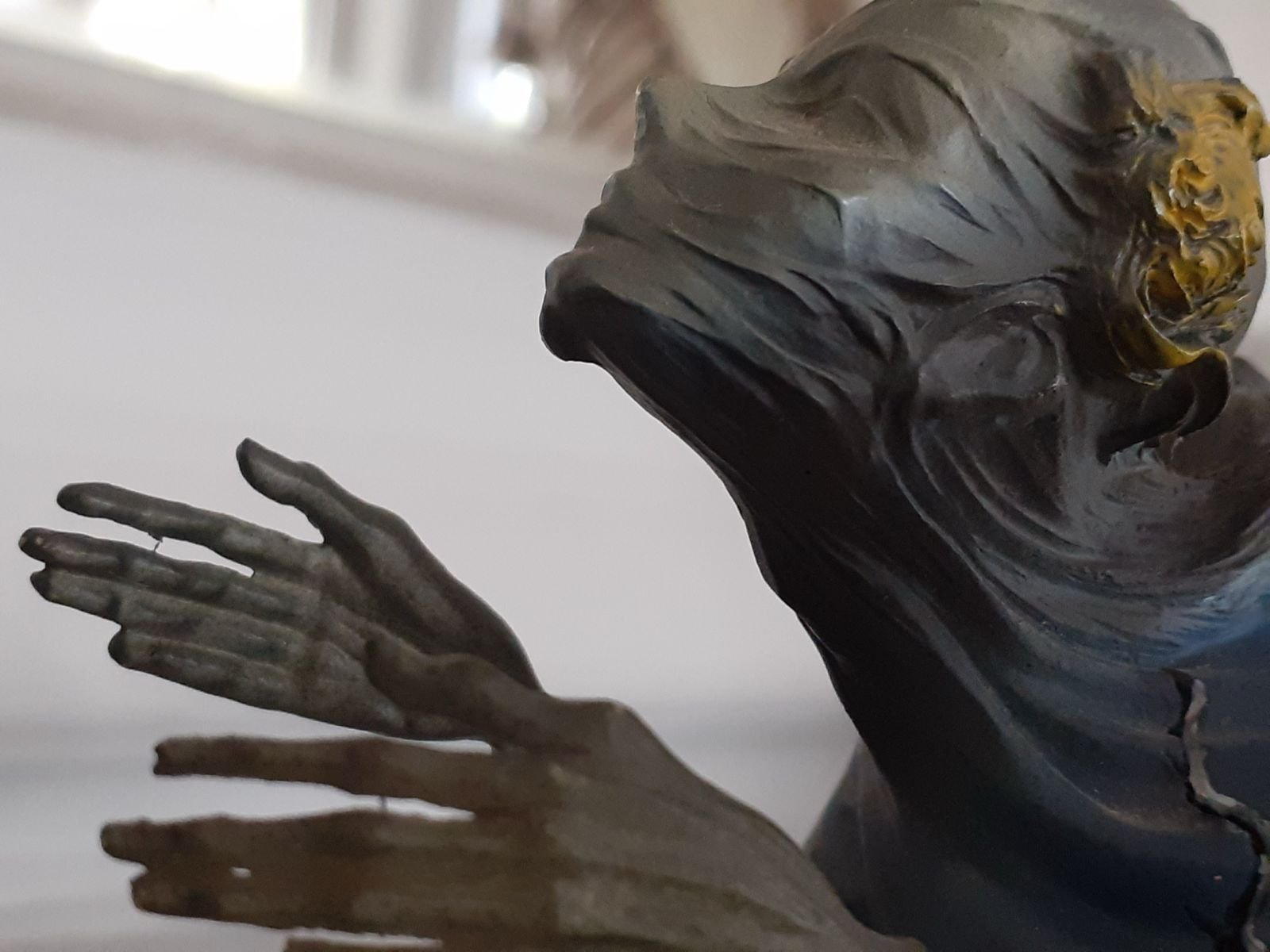
Sculpture of a figure with a veiled face and open hands
Seated figure breathing calmly

Body-oriented therapy

A space to come back to the body, with time and without hurry.

2.5-hour sessions

Transgenerational

A family tree is not guessed at: it is researched and understood.

Short process, 3 to 5 sessions
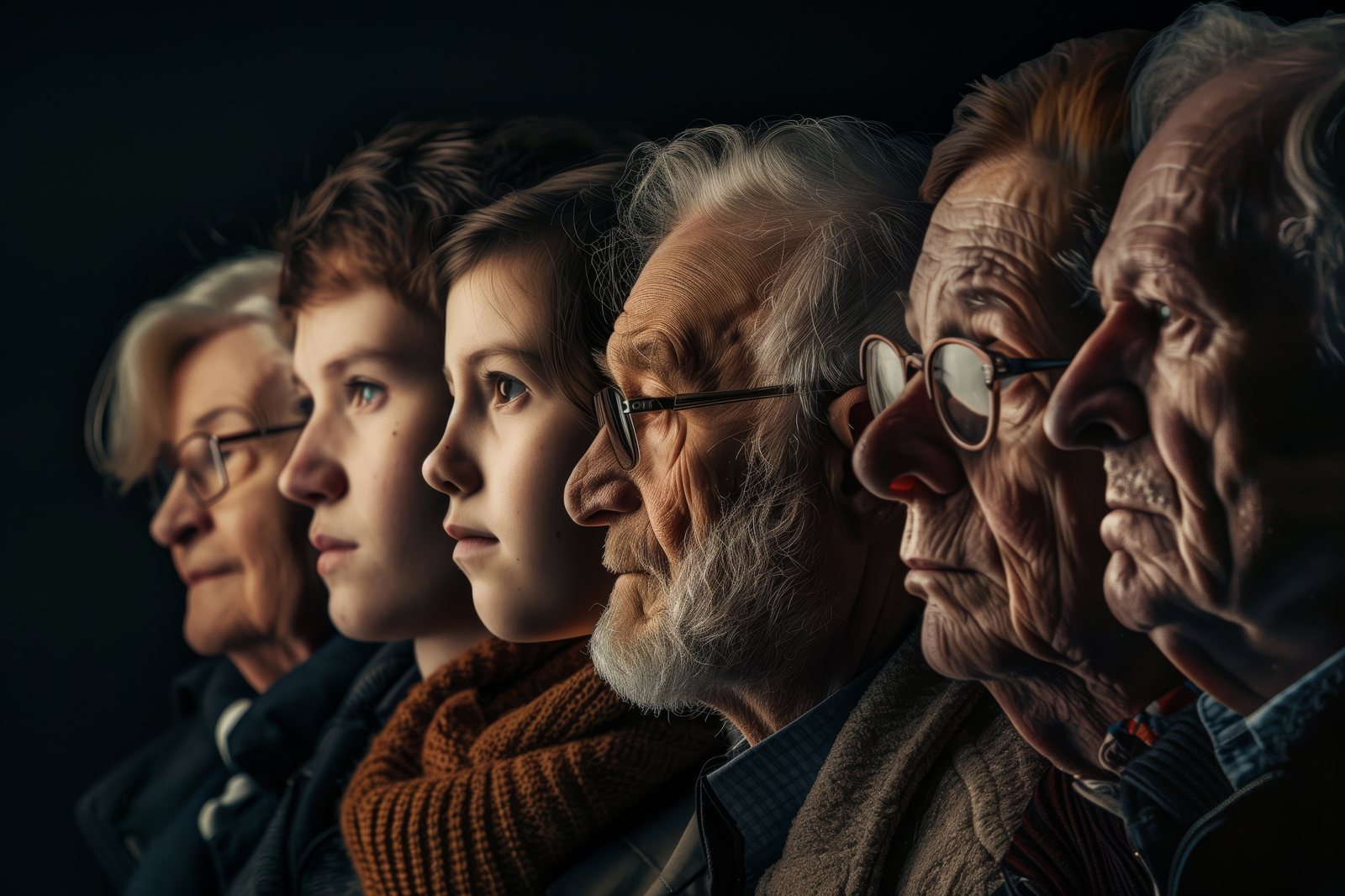
Several generations of a family in profile, looking in the same direction
Two people shaking hands across a meeting table

Mediation

A space just for you, before, during and after mediation.

Usually 2 to 4 sessions

I also work with organisations, within the framework of the psychodynamics of work.

Taking the first step simply means starting to talk.

A short exploratory call, with no commitment.

Book a call
WhatsApp

Stress and burnout

The International Classification of Diseases (ICD-11) describes burnout as a syndrome resulting from chronic workplace stress that has not been successfully managed, characterised by three dimensions: exhaustion, mental distance or cynicism towards one's job, and a growing sense of ineffectiveness.

In other words, people with burnout or work-related stress are not the fault, but the symptom of contexts, structures, processes or “management styles” that need to be reviewed.

“My anxiety starts on Sunday evenings… A simple notification sound makes me jump… I come out of meetings (which I hate more and more) with more confusion than clarity about what is expected of me… I don’t recover, neither by sleeping nor by resting at the weekend… I struggle to concentrate on tasks I used to do without thinking.”

Just one of these sentences is already a warning sign. People under chronic stress are often the last to recognise it, because they are highly committed to their tasks and responsibilities and put them before their health.

That is why outside support is needed: to understand what is happening to you and regain clarity about what you can decide, including staying in, or returning to, a job you can sustain.

Couples / relationship therapy

The health of a relationship does not depend on how well you get along, but on how you resolve your conflicts.

Sometimes the difficulty lies not only in what the conflict is about, but in the way the relationship becomes frozen around it. The same arguments follow one another, the same quarrels repeat again and again, until both people are hurt. A dialogue between two Egos.

The aim is to help stop that dynamic and look together at what is happening. It is not necessarily about “saving” the relationship, but about finding the right distance within it.

You do not need to have everything figured out in advance. What you do need is the wish to work on it.

Trauma

It may be recent or many years old. Trauma is not only what happened; it is what has not yet been fully processed.

The past cannot be changed, but your relationship with it can evolve.

Therapeutic work is not about repeating the story over and over, but about helping — carefully and at your own pace — what was left suspended to finally be resolved, renegotiated or updated in the light of your present.

When we think of a traumatic situation or trauma, we quickly think of an accident, an unexpected death, an explosion, and so on. Yet my experience and the research I follow closely show that rape, violence and humiliation within the family (psychological / physical), especially towards minors, and intimate-partner violence (in all its forms) dominate the statistics; and that from there, or years later, they trigger bullying, workplace harassment, toxic relationships, burnout, various disorders, obsessions, repeatedly switching studies, problems with authority figures at work, and so on. These are then treated as causes, when in reality they are “symptoms”: ways of channelling an unconscious search for balance with that original event.

What you went through does not need a precise clinical name for this space to be useful to you. We can start with a short exploratory conversation.

This support does not replace medical or psychiatric care when it is needed. If you are currently in treatment or under follow-up, it can be coordinated with the relevant professionals.

Body-oriented therapy

The awareness work offered here does not seek to explain, but to develop the presence needed to inhabit the body as it is, without remaining trapped in the story that shaped it.

It is a safe and respectful space in which to receive a mindful massage, with gentleness and simplicity. Framed by deep attention to your own limits.

The body is a vast source of information, holding emotions and feelings that — sometimes — have remained frozen in situations that no longer exist. Yet they “parasitise, block, condition” your present. It is conscious experience (in a safe and respectful setting) that makes it possible to update what has been “recorded”.
It is work based on conscious touch, carried out with respect, attentive listening and without hurry — not an erotic space.
Every session ends with a moment of “words”, in order to integrate the experience.

A phone conversation is needed first, so that we can assess together whether this work is right for you.

This offer is also open to men who are willing to work on themselves.

This support does not replace medical or psychiatric care when it is needed. If you are currently in treatment or under follow-up, it can be coordinated with other professionals to complement work you are already doing.

Transgenerational

A family tree is not guessed at: it is researched and understood.
The question that really matters is not “what comes from the transgenerational?”, but:
“what concrete story can be identified?”
“what are today's behaviours responding to?”

In the process I offer, we start by looking for patterns, illnesses, places, cycles, accidents, intergenerational debts, violence, humiliation, injustice, occupations, dates and tensions in relationships. These are all clues, not yet answers.

Two examples of genograms worked on in sessions, with the names blurred to protect confidentiality.

Example of a five-generation genogram, with handwritten notes and the names blurred
Example 1 · view full size
Another example of a genogram, with handwritten notes and the names blurred
Example 2 · view full size

Because coincidence is not the same as coherence.
Coincidence only opens a door. Then comes the real work: coherence.
My approach is guided by one question: is there real coherence between your ancestors' story and what you are living today?
When the same conflicts, the same losses, the same fears, the same way of relating appear: that is where the story begins to make sense.

The goal is not to find someone to blame.
It is about understanding which (no longer necessary) adaptation is still active today, so that it no longer needs to be expressed.
As long as that memory remains unconscious, we stay bound to it, repeating the suffering. When we manage to understand it, we can honour it by living what our ancestors could not live.
Healing is not forgetting those who came before. It is honouring their stories through life.
In other words, the work you do on yourself helps your ancestors and lightens the path of your descendants.

Mediation

In Belgium, before a contentious divorce, judges encourage the parties to consider a “divorce par consentement mutuel” (divorce by mutual consent), supported by a médiateur agréé (accredited mediator). If you are still looking for a mediator, you can consult www.fbc-cfm.be.

The mediator facilitates dialogue and helps reach agreements with complete impartiality: they do not defend your position or the other party's, do not judge and do not give their opinion. That neutrality is necessary, but it leaves a gap: it is not their role to “correct injustices” that both parties are agreeing to.

My work is complementary: supporting you individually to face the process with inner clarity and with intellectual and emotional preparation. Allowing you to focus on the substance of the mediation, while setting apart the “unsettled emotional accounts” that are not meant to be resolved there.
Going through a mediation is not enough: it has to be prepared, at every meeting. Because what is decided in mediation is lived with for years.

Some of the topics we make sure to include:

  • Without denying emotions, being able to distinguish what you desire, what you want to achieve, what you can achieve and what you are willing to negotiate.
  • Taking care not to keep functioning in mediation the way you functioned as a couple. No, you are no longer a couple. New agreements cannot be made in order to keep “functioning” as before.

Sessions last one hour and take place in person or online. The frequency varies: usually 2 to 4 sessions, depending on what you need to work on and how much time you need to prepare before the next step.